
Transport for London has been criticised for a series of bus service cuts that, according to Labour’s London Assembly lead for transport, Elly Baker, keep pushing passenger numbers down. TfL has cut 6.3 per cent of its bus services over the past decade, and new reductions affecting different parts of the capital have been announced every few months.
TfL under fire for repeated bus cuts as ridership keeps falling
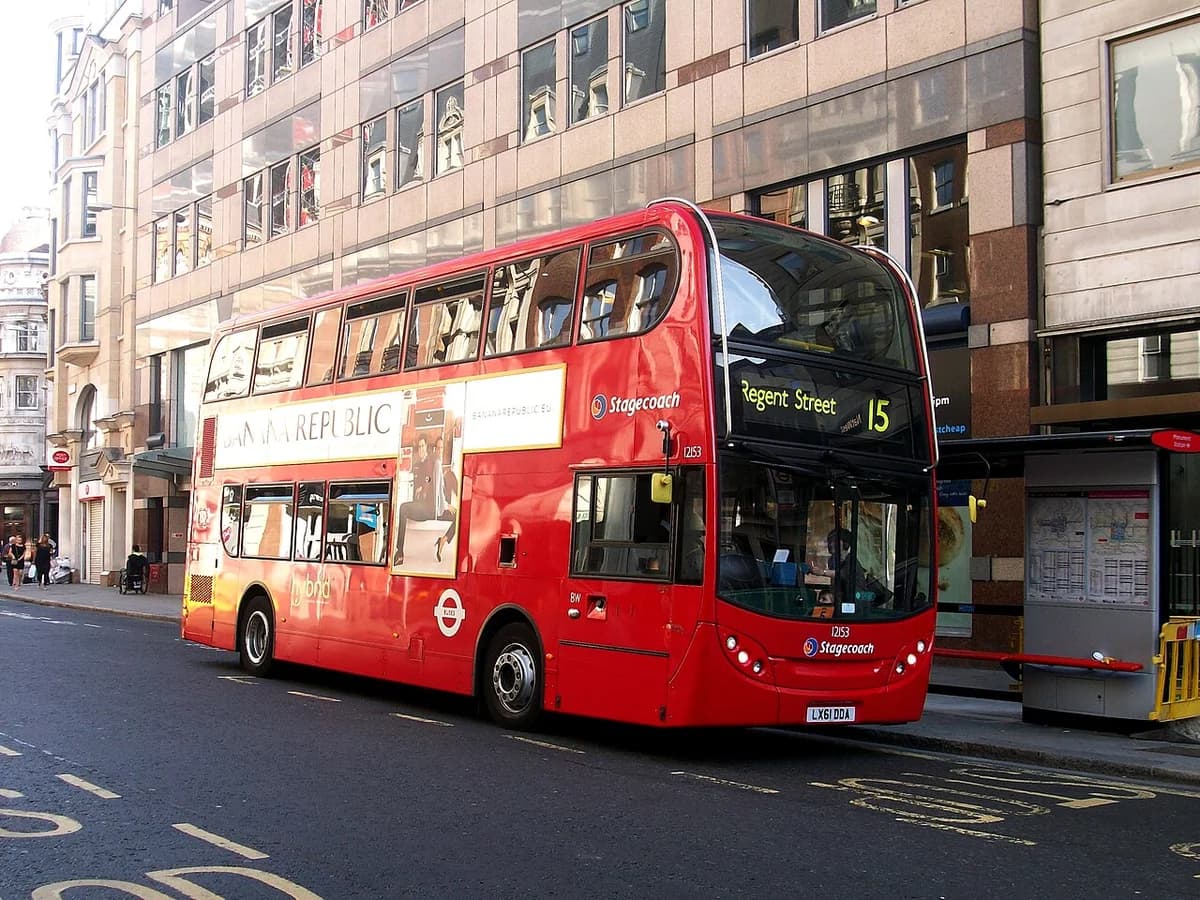
Labour’s London Assembly lead for transport says TfL keeps cutting bus services instead of tackling slow speeds and reliability, as ridership has fallen by 22 per cent over the past decade.
Transport for London
Transport for London (TfL) is the local government body responsible for most of the transport network in London.
The latest plans would reduce services on five routes in Sutton, Croydon and Merton. Baker said buses are being squeezed in around other forms of transport and that a fresh, positive action plan is needed to reverse the decline.
Slow buses at the heart of the problem
Slow bus speeds are seen as the root cause of fewer Londoners relying on buses. The London Assembly was told bus speeds were at their lowest in 40 years, averaging 9.17mph for 2024/25.
Lower ridership also feeds into TfL’s finances. The authority’s finance committee said in September that lower bus and rail ridership, mostly due to strikes and an extremely hot summer, meant TfL was on track for a £128m loss between April 2026 and March 2027. It had initially projected a £5m surplus.
Baker said she still values TfL and the role it plays in running public transport, but felt the organisation was now resting on its laurels. She told MyLondon: “London will not function if people can’t get around by buses. So why aren’t you giving it the status and respect that the buses deserve?”
What Baker wants TfL to fix
Baker has asked TfL to address basic issues such as reliability, speeds and the number of passengers who have to change buses. She said people would only be encouraged to use buses more once these problems were tackled, rather than through new bus models with upgraded skylights and interior design.
She also pointed to the early years of TfL, when she said buses were central to getting around the city, and said buses now needed more effort, resources and attention.
TfL responds
TfL said its bus action plan, set out in March 2022, already provides a comprehensive long-term plan to attract more passengers. A spokesperson said: “We keep the network under constant review to ensure resources are targeted where they are needed most and that we continue to provide a comprehensive and reliable service for Londoners.”
The spokesperson said more than 25km of new bus lanes had been added on TfL and borough roads since April 2021. TfL also said its London on the Move programme includes plans to expand bus priority technology to all 3,500 signals, roll out FUSION signal technology and carry out signal timing reviews across entire bus routes for the first time.


