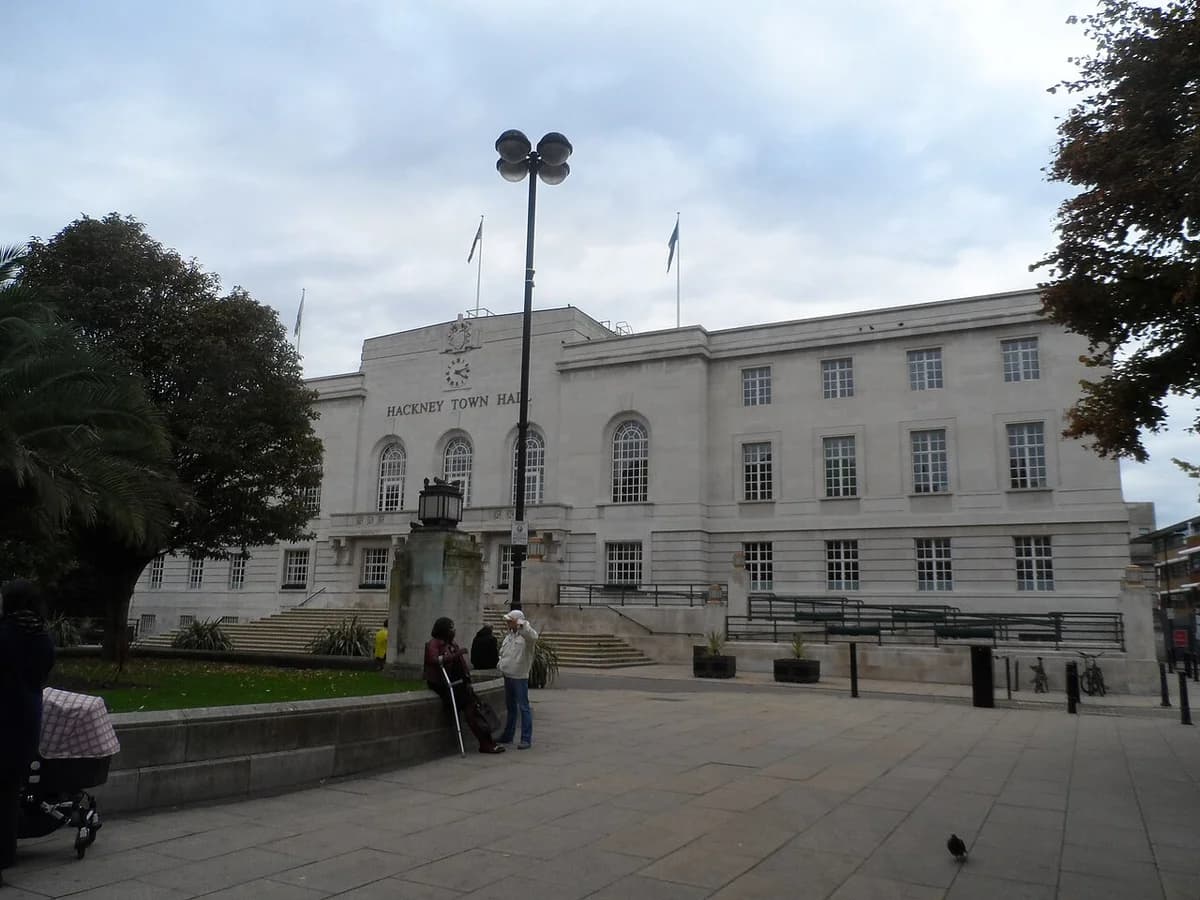
Hackney Council has been criticised by the Local Government and Social Care Ombudsman after a series of mistakes led a developer to believe a planning application could proceed when it was in fact invalid.
The case centred on a man identified only as Mr Z, who became embroiled in a two-year dispute with the council over a plot of land. The Ombudsman found the council had wrongly raised his expectations through flawed legal advice, delays in reaching a decision and poor complaint handling.
Hackney Council has agreed to apologise to Mr Z. But the watchdog did not order the authority to reimburse him for more than £3,000 he spent during the process.
How the dispute began
The row began after Mr Z bought land from a previous owner who had applied to build their own home on it. That earlier application had sought an exemption from Community Infrastructure Levy payments because it was a self-build project.
In this case, the levy was valued at about £50,000. Under the rules, self-build exemptions require the applicant to own and live in the property for at least three years after it has been built.
Mr Z believed the site already had planning permission when he bought the land and also believed he could benefit from the same exemption for his own application. But the council had never actually made a decision on the original application.
What the Ombudsman found
According to the Ombudsman, Hackney Council’s legal team wrongly advised Mr Z that he could update the existing file by changing the name on the application. In reality, the self-build status did not carry over, and neither did any exemption from the levy.
After receiving that advice, Mr Z proceeded by updating the name on the original file and paid the council more than £3,000 for a viability assessment because he believed the application was moving forward. He was then told he would have to pay the £50,000 levy, a finding his agent challenged.
During the dispute, the council told Mr Z seven times that the application was void and that he needed to withdraw it and submit a fresh one. He refused to do so.
Delay, complaint and final ruling
Mr Z later complained that the council had delayed its final decision and that he had incurred unnecessary costs. He formally complained to Hackney Council in July 2025, but the authority responded following a 43-day delay and again said the self-build application was invalid.
The matter was then escalated to the Local Government and Social Care Ombudsman after Mr Z formally complained to Hackney Council in July 2025, but the authority responded following a 43-day delay and again said the self-build application was invalid. More than six months later, in March 2026, Hackney Council formally refused the planning application.
The Ombudsman said the council had been at fault for “raising [Mr Z’s] expectations” through its handling of the case. The watchdog also found fault with the authority’s slow decision-making and complaint handling.
- Hackney Council agreed to apologise to Mr Z
- The Ombudsman found the council gave flawed legal advice
- The council warned seven times that the application was void
- The planning application was formally refused in March 2026
Despite those findings, the Ombudsman decided the council did not have to repay the more than £3,000 spent on the viability assessment. The ruling said Mr Z would have paid that money anyway “because the agent repeatedly did not withdraw the application and Mr Z paid to progress the application”.
The case leaves Hackney Council facing criticism over how it handled the planning dispute, even though the watchdog did not recommend financial compensation.