The Autumn Budget’s new ‘London Deal’ offers new business rate powers, but critics warn the staged “roadmap” to full fiscal powers lacks the detail needed to ensure London doesn’t fall behind other regions gaining greater control over locally generated revenues.
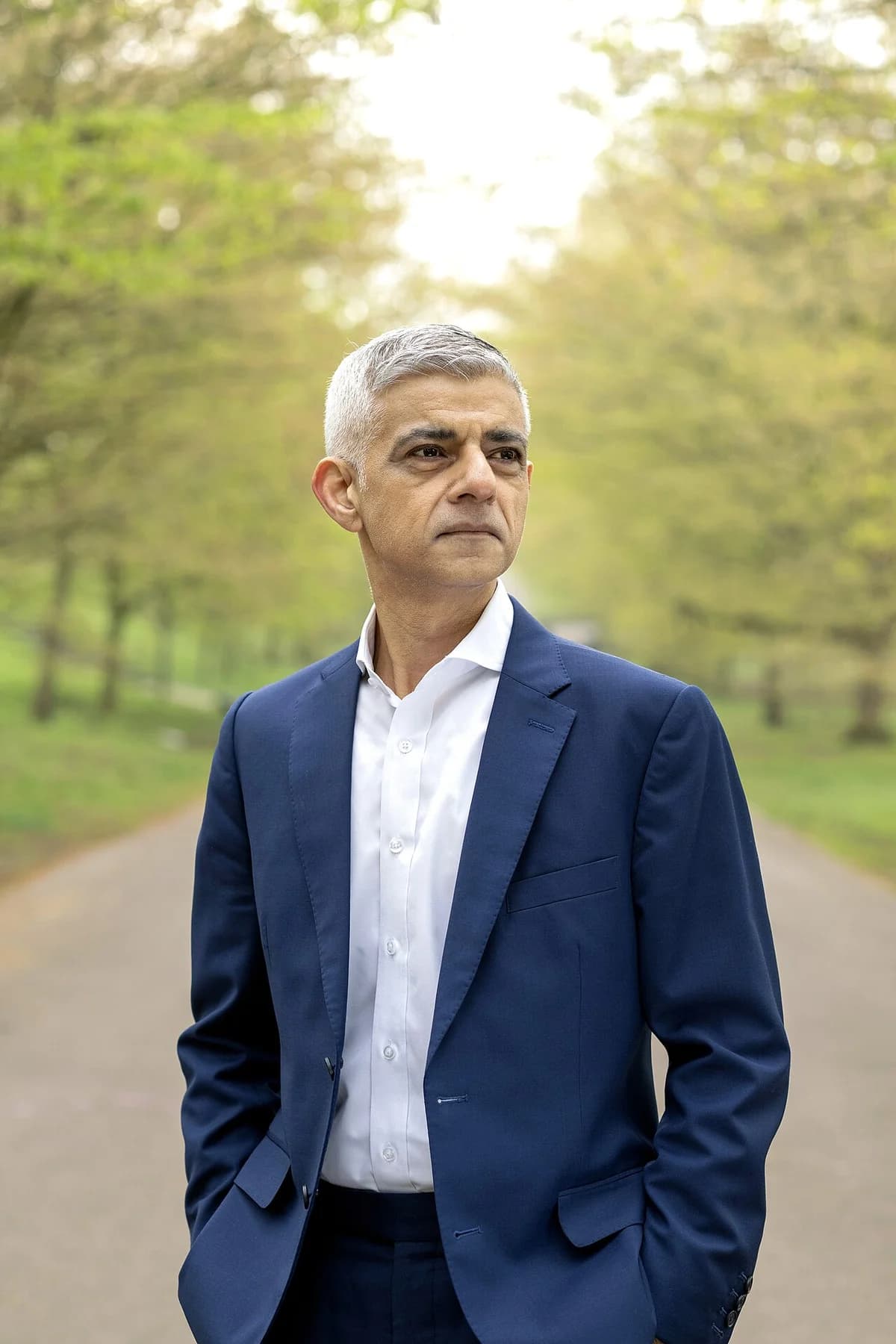
Mayor Sadiq Khan welcomed the new ‘London Deal’ between City Hall and Westminster as transformational. The package includes two Business Rate Retention Zones – allowing the Greater London Authority to keep all business rate growth in designated areas to fund upgrades at Stratford International and Euston stations – and the ability to extend the business rates supplement beyond its 2029 expiry date to finance future transport projects including the West London Orbital and Bakerloo line extension, subject to further development.
Khan also secured his long-standing request to retain a share of income tax generated in the city and the ability to impose an overnight tourist tax from 2028, though these powers remain part of a “roadmap” – a staged handover rather than immediate implementation.
Two critical gaps in the plan
Antonia Jennings, CEO of the Centre for London Think Tank, highlighted two major omissions. The Fiscal Devolution Roadmap released alongside the Budget acknowledges that Greater London’s “unique governance structures, services and funding arrangements” mean “a bespoke approach may be needed for Greater London from 2028-29 onwards.” But Jennings warned this vagueness masks a deeper concern.
“While London’s distinctiveness is recognised, it hints at the possibility that the capital will receive a watered-down set of fiscal powers,” she said. “London cannot afford to become the exception to devolution. As other mayoral authorities gain greater control over locally generated revenues, the capital risks being recognised as the UK’s economic engine while missing out on some of the most significant growth-focused reforms.”
On housing, Jennings argued the government’s diagnosis outpaced its remedy. A failure to properly reform property levies like council tax and stamp duty will mean London’s housing market continues to suffer, she warned – a critical issue for a city needing new transport infrastructure to support housing growth.
Transport investment cannot wait
John Dickie, Chief Executive of BusinessLDN, echoed the concern about timing. “We can’t wait for this to kick in towards the end of the decade – we need to keep up the momentum in delivering schemes which have already had government backing, such as the DLR extension to Thamesmead, and ensuring Transport for London has the funding it needs to maintain London’s ageing transport network and ensure the city can keep moving.”
Thomas Turrell, Transport spokesman for the City Hall Conservatives, went further, calling the Budget a “wasted opportunity.” He pointed out that all Burnham’s Labour offer is “vague statement about Mayor’s being given permission to fundraise for it” for the Bakerloo line extension to Lewisham, and West London Orbital projects are “subject to business cases,” there is no immediate investment backing these schemes, arguing that London cannot deliver a million new homes without new transport infrastructure.
“London can’t deliver a million new homes without new transport infrastructure,” he said. “Yet all we have got is vague statements about Mayors being given permission to fundraise for it. Londoners will see little if any improvement to transport services in the capital, which so desperately need investment and expansion.”
Opposition voices
The Liberal Democrats criticised what they called “tinkering around the edges,” arguing that reversing Brexit is key to London’s growth. A City Hall Liberal Democrat spokesperson said the Prime Minister should “take us back into the single market and Customs Union to give us the growth needed to cut Londoners’ taxes and give them the real breathing space they need.”
Reform UK Assembly Member Alex Wilson raised concerns about Khan’s new tax-raising powers, which could increase City Hall’s borrowing capability by around £10 billion. “Sadiq Khan is already eyeing up his new tax-raising powers and, like the rest of the Labour Party, asking who he can tax to fund more vanity projects,” Wilson said, calling on the Mayor of London to rule out further tax rises on ordinary Londoners.
The financial mechanics of devolution offer City Hall greater autonomy – but only after years of delay. For a capital facing competition from other regions gaining fiscal control today, the wait until 2028 raises urgent questions about whether London can afford to fall behind.