Sadiq Lord Khan has secured what he calls “transformational new powers” from the government’s Budget to raise billions of pounds for London’s infrastructure – potentially unblocking the Bakerloo line extension to Lewisham and upgrades at Stratford International station.
From next year, the Mayor and other mayors across the country will retain 20 per cent of business rates, along with a share of income tax. From 2028, a share of income tax receipts will also go to mayors, and all business rates will be kept by local administrations by 2030. The government has allocated an initial £285 million as part of a wider plan to devolve greater powers to regional leaders across England. Lord Khan has long pushed for increased powers to raise money within London to complete infrastructure projects.
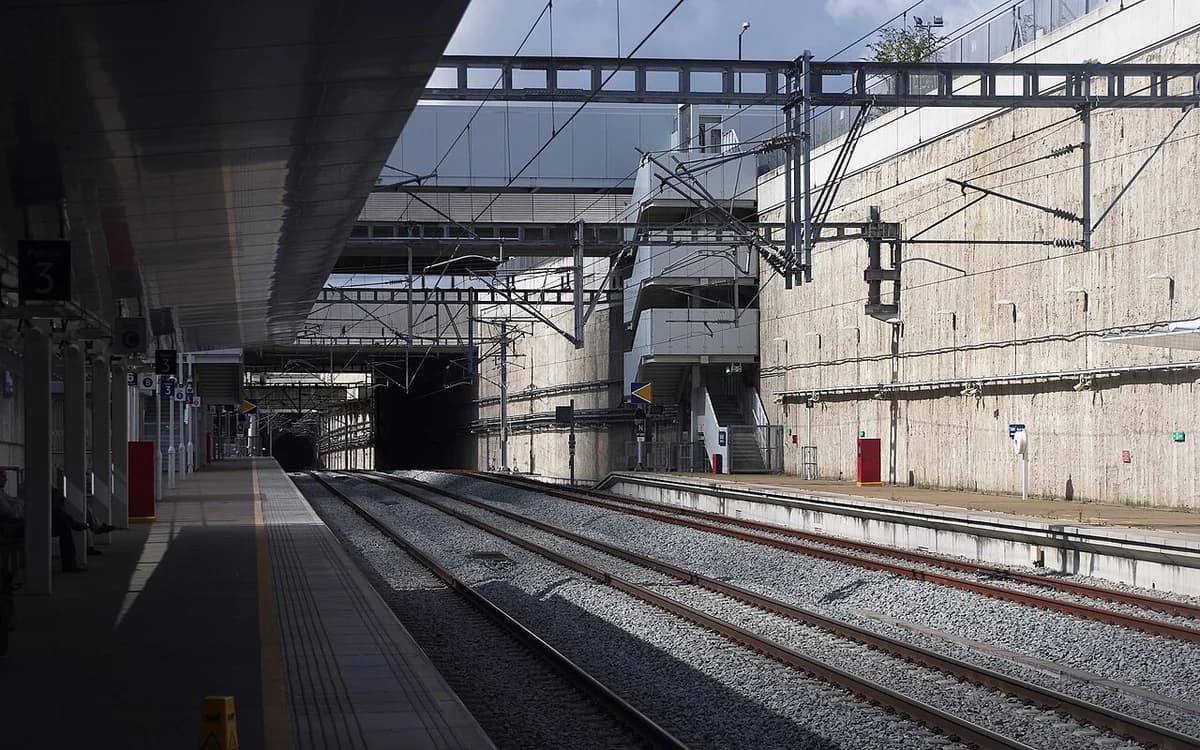
“After lobbying on the issue for many years, I’m delighted that the Government will help us to bring cross-channel rail services to Stratford International – making this station truly international for the first time,” Lord Khan said. “It will open up huge opportunities for jobs, investment and tourism.”
The government has also backed Lord Khan’s proposal for a business rate retention zone around Stratford International station that will enable upgrades to allow trains from France to stop there – .
For Londoners in South East London, the Budget breakthrough matters most for the Bakerloo extension. Transport for London revealed last month that under current plans, the Bakerloo line extension to Lewisham will open in 2040. The route would add two new stations to the Tube map: Burgess Park and Old Kent Road – serving an underserved part of South East London that has long been underserved by the underground network.
Lord Khan has positioned the new devolution powers as part of what he calls a “devolution revolution”. “The Government have taken significant steps to devolve transformational new powers and funding to the capital, alongside other communities around the country,” he said. “Working with Number 10 North we’re delivering the largest devolution of powers to London seen in a generation.” The new powers will also enable Lord Khan to push ahead with the West London Orbital, which would connect Hendon and Hounslow using disused freight rail tracks. Outside of London, devolved loans worth £1.5 billion will allow other mayoralties to carry out projects such as the Black Country Metro, the reopening of Doncaster Airport and regeneration in Gateshead.
Chancellor John Healey described the local retainment of tax revenues as “the most radical act of devolution in a generation”, emphasising that the new funding streams would allow regions to invest in large infrastructure projects. The Budget also included measures Lord Khan welcomed beyond transport, including Healey’s move to freeze fuel duty and extra investment to tackle rough sleeping across the capital. The Treasury has confirmed that 10 new devolution agreements are in their final stages, with the aim of achieving full devolution coverage by 2028.
Tory leader Kemi Badenoch criticised the Budget more broadly, saying it is “not good enough, not strong enough, not bold enough” and that the UK remains “overspent, overborrowed, overtaxed and drowning in an out-of-control welfare system”.